Why Sensory Play Is Serious Learning
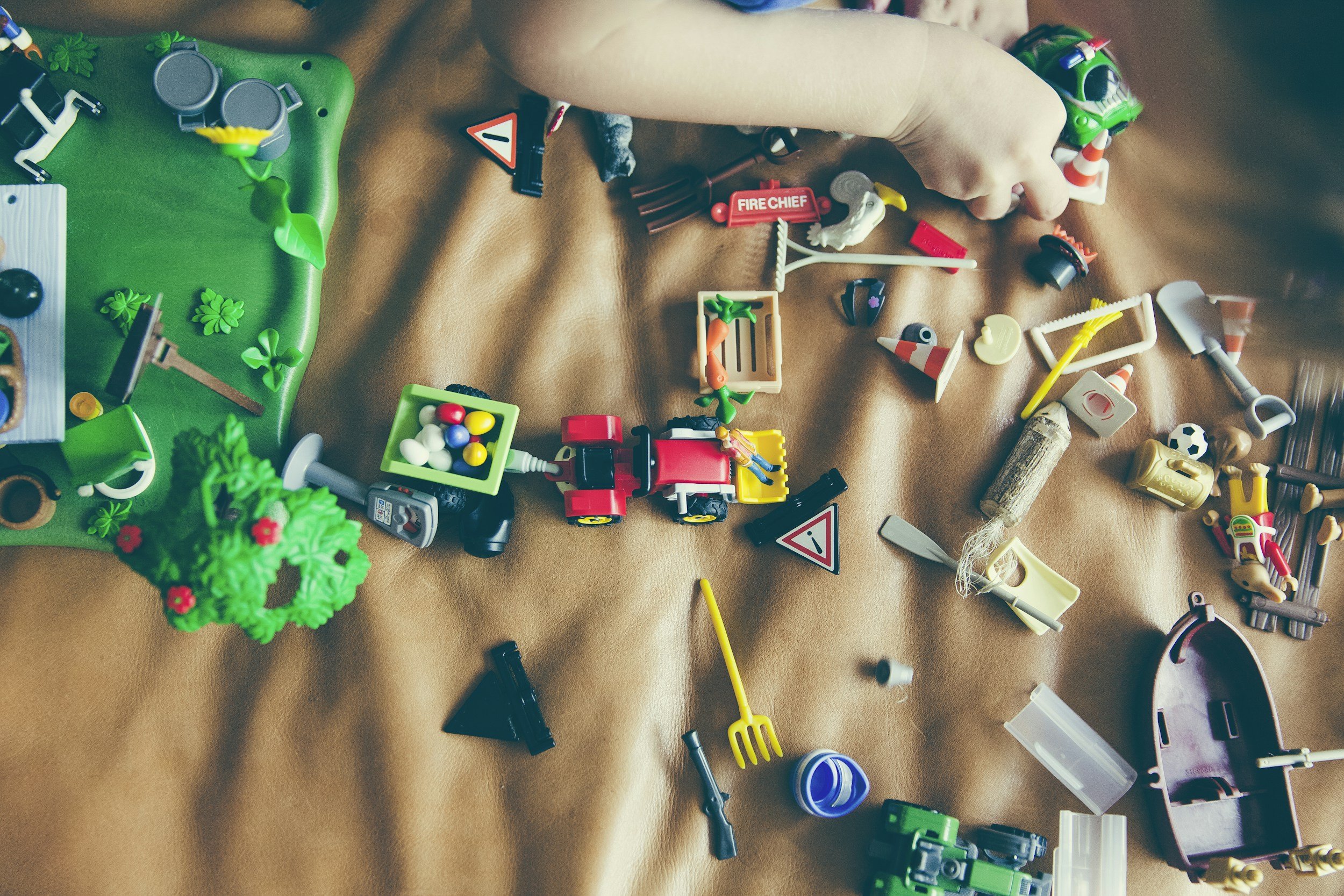
Your kid just dumped a bucket of dried beans on the floor. Ran both hands through it. Buried a toy dinosaur. Looked very pleased with themselves.
Your instinct is to clean it up. The right call is to let them keep going.
Sensory play, the kind that looks like mess from across the room, is some of the hardest work a young brain can do. And most parents underestimate how much is actually happening.
What Sensory Play Actually Is
Sensory play is any activity that engages the senses: touch, sight, sound, smell, taste. Think water tables, sand bins, shaving cream art, mud, dried pasta, textured fabric, finger paint.
It's not a craft project. There's no finished product. That's the point.
When children explore without a predetermined outcome, they're practicing something adults spend years trying to get back: curiosity without judgment.
What's Happening in Their Brain
Between ages 2 and 5, children's brains are building neural pathways faster than at almost any other point in life. Sensory input is fuel for that process.
Every time a child squishes playdough, sorts rocks by texture, or pours water from one cup to another, they're strengthening connections between their senses and their thinking. They're learning cause and effect. They're building vocabulary for concepts like "heavy," "rough," "full," and "empty."
This isn't just developmental theory. It shows up later in how they read, write, and solve problems.
How It Shows Up at Our Preschool
Reggio-inspired classrooms, like the ones at Explorers Learning Center at K2 in Cypress, TX, treat the environment itself as a teacher.
That means sensory exploration isn't scheduled for Thursday at 2pm. It's woven into the day: the light table in the corner, the outdoor mud kitchen, the art space stocked with materials that don't come with instructions.
Teachers observe more than they direct. When a child discovers that sand pours faster through a wide funnel than a narrow one, no one stops to explain it. They just hand over more funnels.
Fall Is a Perfect Season for This
September in Cypress doesn't feel like fall yet (the heat has opinions), but the season still brings sensory opportunities worth grabbing.
Leaves, acorns, pine cones, soil that smells different after rain. These aren't craft supply store materials. They're the real thing, and young children respond to them differently than plastic alternatives.
At preschool, fall sensory play connects to science, language development, and fine motor skills, all at once, without ever feeling like a lesson.
What to Ask When Choosing a Preschool
If you're evaluating preschools in Cypress, TX, ask what sensory play looks like on a normal Tuesday. Not a special event. Just a Tuesday.
A good answer involves specific materials, specific spaces, and what children are allowed to do with them. "We have a sensory bin" is less interesting than "the kids built a ramp out of cardboard tubes and spent 3 days testing it."
If they can tell you a story like that, you're in the right place.
Curious what a regular Tuesday looks like at ELC? See what we're about at explorerslearningcenter.com/schools/k2.
Explorers Learning Center at K2 is a Reggio-inspired preschool in Cypress, TX serving children from 6 weeks through school age. We're a TexasRising Star partner and proud to serve families across northwest Houston.