What Project-Based Learning Looks Like at Preschool
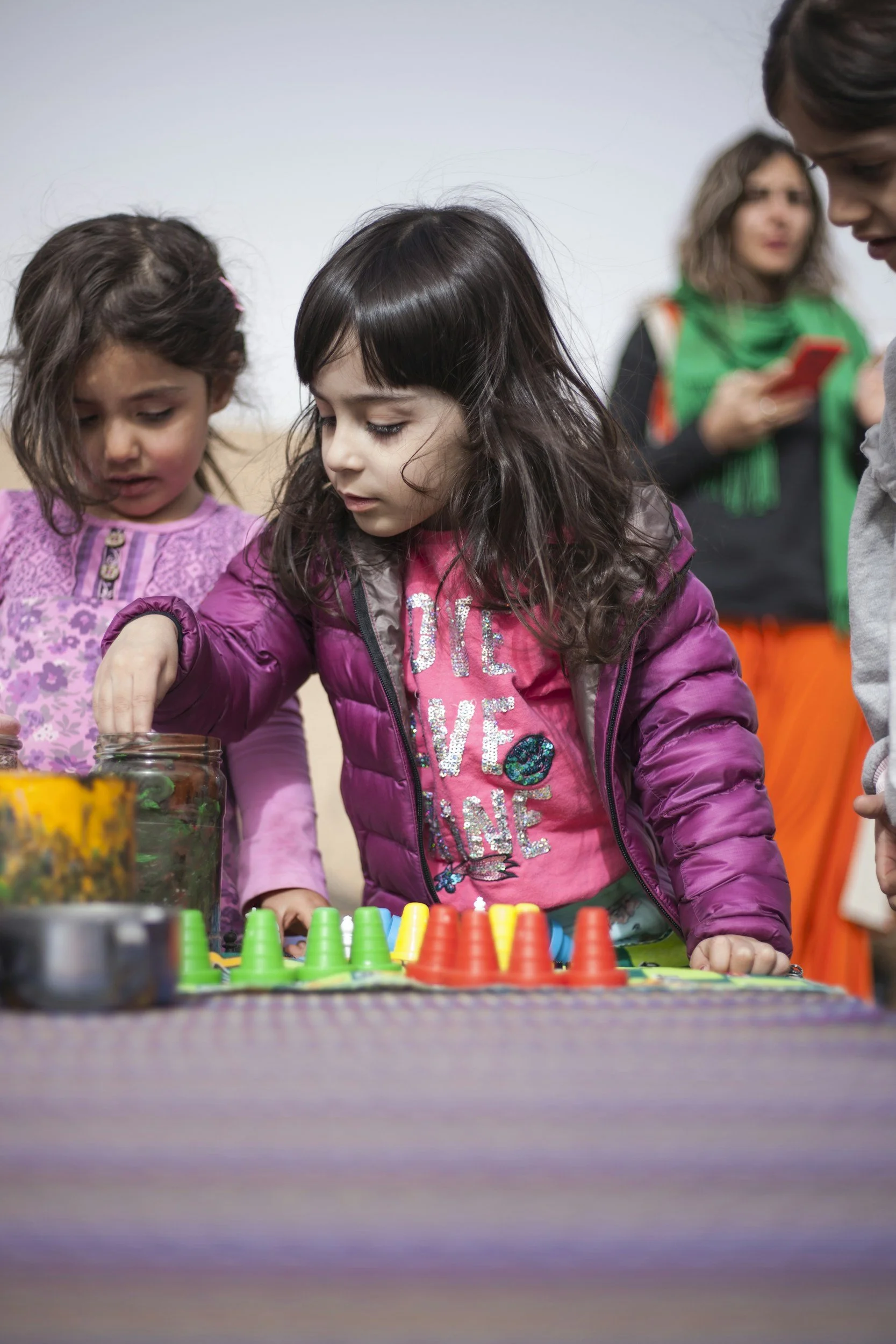
Your 4-year-old came home last week buzzing about worms. One earthworm, found on the playground, and now she had approximately 47 questions she needed answered immediately.
That's project-based learning in action. At a project-based learning preschool in Cypress TX, that kind of curiosity doesn't just get tolerated. It becomes the lesson.
It Starts With a Question
In a project-based classroom, topics don't come from a textbook or a monthly theme chart. A child notices something — a puddle, a caterpillar, a piece of crinkly aluminum foil — and asks "why?" The teacher follows that thread.
From there, a project might unfold over days or weeks. Kids observe, sketch, research, build, and revisit. What starts as "why do worms come out when it rains?" can become a multi-week investigation into soil, water, and underground life. The topic deepens as understanding grows.
What a Project Actually Looks Like
Say a group of kids gets fascinated by where the cafeteria food comes from. They might draw diagrams of delivery trucks, count how many oranges fit in a box, interview the school cook, graph their favorite fruits, and build a model warehouse from cardboard.
Math, science, language, and art all show up, woven together around one real question that matters to the kids doing the asking. In a Reggio-inspired preschool, the classroom is designed for exactly this. Materials are open-ended. Documentation (photos, sketches, dictated observations) covers the walls. Kids can pick up a project right where they left it.
Why It Builds Skills That Last
Project-based learning preschool builds the skills kindergarten teachers actually look for.
Can your child stay focused when something gets hard? Work through disagreement with a partner? Explain her thinking out loud? Those capacities come from doing real work over real time, and they travel into kindergarten, first grade, and beyond.
Research consistently shows that kids in project-based environments develop stronger critical thinking, collaboration, and communication compared to peers in more scripted, direct-instruction settings. The gains aren't just academic. They're social and emotional too.
The Reggio Connection
The Reggio Emilia approach and project-based learning share a lot of DNA. Both treat children as capable, curious researchers. Both treat the environment as a "third teacher" that shapes how kids think and explore. Both rely on documentation: capturing what children say, draw, and build so their thinking becomes visible.
At a Reggio-inspired preschool in Cypress, TX, you'll see this in practice. Children's work displayed at eye level, with their own words alongside it. Materials arranged for independent use. Teachers asking "what do you think?" far more often than "here's the answer."
What to Look for on a Tour
You can tell pretty quickly whether a school is genuinely doing project-based learning.
Is children's work documented on the walls, with their own words alongside it? Can the teacher tell you what the class is currently investigating? Do kids look absorbed in something, rather than waiting for direction? Is the room set up for exploration rather than whole-group instruction?
Real PBL looks purposeful, a little messy, and genuinely alive. Kids should be doing something, not waiting around for someone to tell them what to do.
Explorers Learning Center at K2 is a Reggio-inspired preschool in Cypress, TX serving childrenfrom 6 weeks through school age. We're a Texas Rising Star partner and proud to serve families across northwest Houston.