Preschool Drop-Off: How to Ease Separation Anxiety
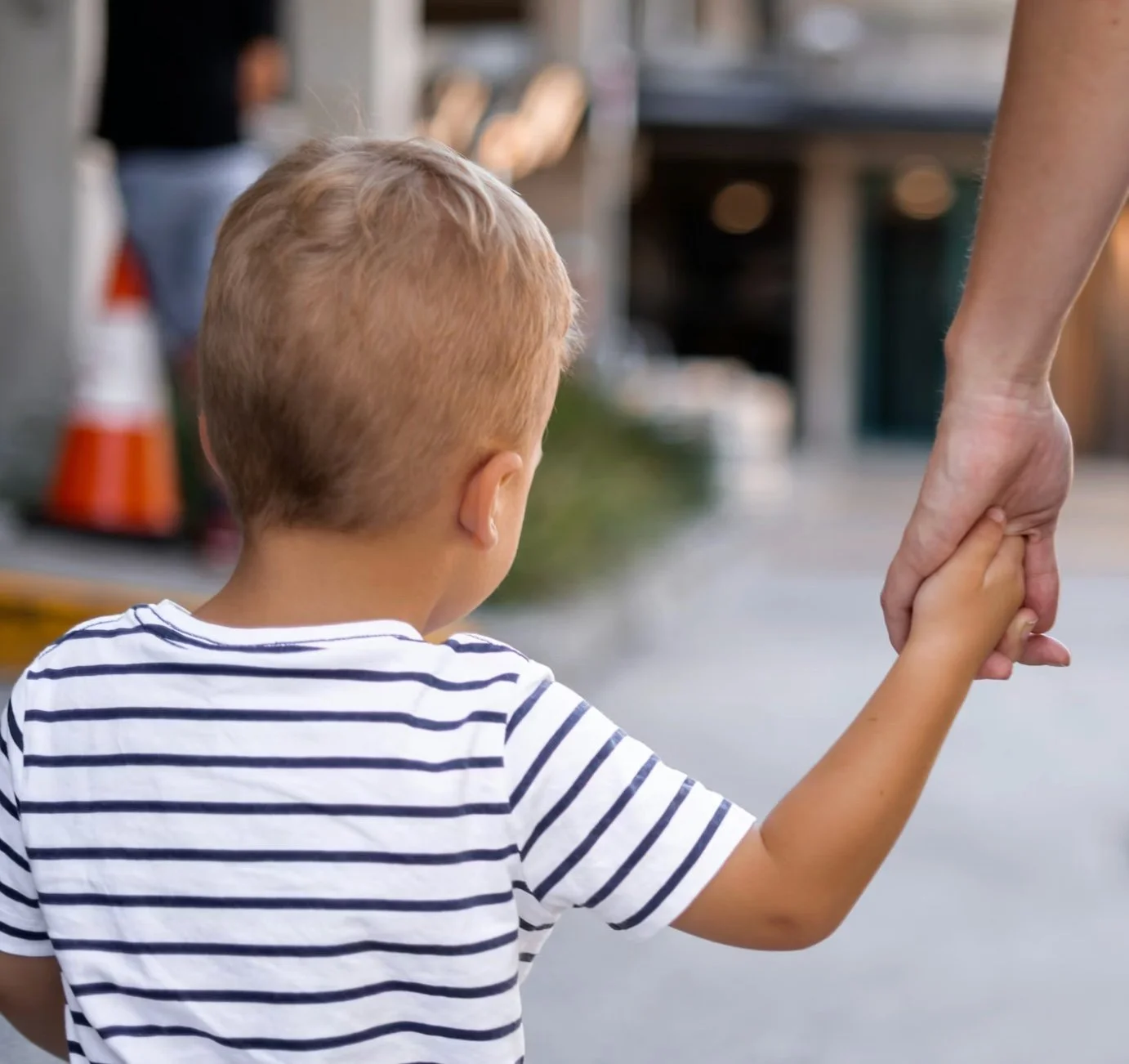
You get to the door. Your kid wraps both arms around your leg and refuses to let go. You're late for work. Everyone is crying, including (possibly) you.
Preschool separation anxiety is incredibly common, and it's one of the top reasons parents second-guess starting preschool at all. But here's what matters: how your child handles that goodbye moment has almost nothing to do with how they'll feel 10 minutes later.
Why Separation Anxiety Peaks at Preschool Age
Most kids hit peak separation anxiety somewhere between 18 months and 3 years. That's not a coincidence, and it's not a sign something's wrong. It means your child has formed a strong attachment to you, which is exactly what's supposed to happen.
Starting preschool asks them to stretch that attachment across a new space with new people. That's big work for a small person. The good news: it's also exactly the kind of healthy challenge preschool is built for.
The Goodbye That Actually Helps
Short goodbyes beat long ones. Every time. Research consistently shows that drawn-out drop-offs make anxiety worse, not better. A confident, warm goodbye followed by actually leaving teaches your child that you trust the situation.
Pick your line and stick to it. "I'll pick you up after snack. I love you." Then go. They'll typically stop crying within a few minutes. Their teacher's job is to make that transition as smooth as possible — and a good preschool team takes that seriously.
What Teachers Are Doing on the Other Side of the Door
At a Reggio-inspired preschool, the classroom itself is designed to pull children in. Rich materials, ongoing projects, cozy spaces, predictable rhythms. There's something to discover the moment they walk through the door.
At Explorers Learning Center at K2, our teachers build relationships with each child from day one. So when you hand off your kid at drop-off, they're going to a trusted adult — not a stranger. That relationship is the single biggest factor in how quickly separation anxiety fades.
Rituals That Make Drop-Off Predictable
Predictability is your friend here. Create a drop-off ritual and stick to it. It doesn't have to be elaborate: a special handshake, 3 hugs, a phrase you always say. The ritual signals to your child's brain that this is what we do now, which helps them shift from anxious to settled.
A few things that help: a family photo tucked in their cubby, a small comfort object if your school allows it, and arriving at a consistent time every day. Consistency matters more than perfection.
When Should You Be Concerned?
Most kids adjust within 2-4 weeks of starting preschool. If yours is still struggling after a month, it's worth a conversation with their teacher and your pediatrician. That's not failure, it's information.
A school with a warm, relationship-centered approach makes this process easier. Small class sizes, stable teachers, and a predictable daily schedule all reduce the baseline anxiety kids carry into drop-off. That's what we build for at ELC.
Starting preschool is a big transition, for kids and parents alike. The good news: it gets easier, often faster than you'd think.
If you're looking for a preschool in Cypress, TX that takes social-emotional development seriously, come see what we're doing at Explorers Learning Center at K2.
Explorers Learning Center at K2 is a Reggio-inspired preschool in Cypress, TX serving children from 6 weeks through school age. We're a Texas Rising Star partner and proud to serve families across northwest Houston.